
The 2026 Two Sessions sent out a major signal: the construction industry is ushering in a historic turning point! Trillion-level funds are being precisely allocated to support the 'two key' projects (major infrastructure and livelihood projects), injecting strong momentum into the waterproofing industry. At the same time, new regulations stipulate that the quality of waterproofing projects is subject to a veto system. The dual push of funding and standards means that building waterproofing is moving from a hidden project to a vital public demand, presenting the industry with a historic challenge and opportunity to improve both quality and quantity.
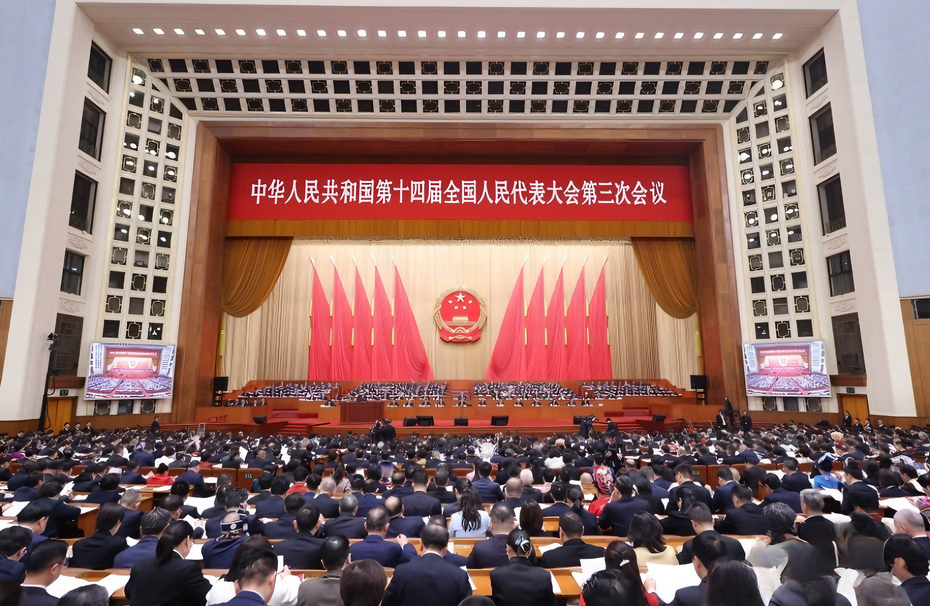
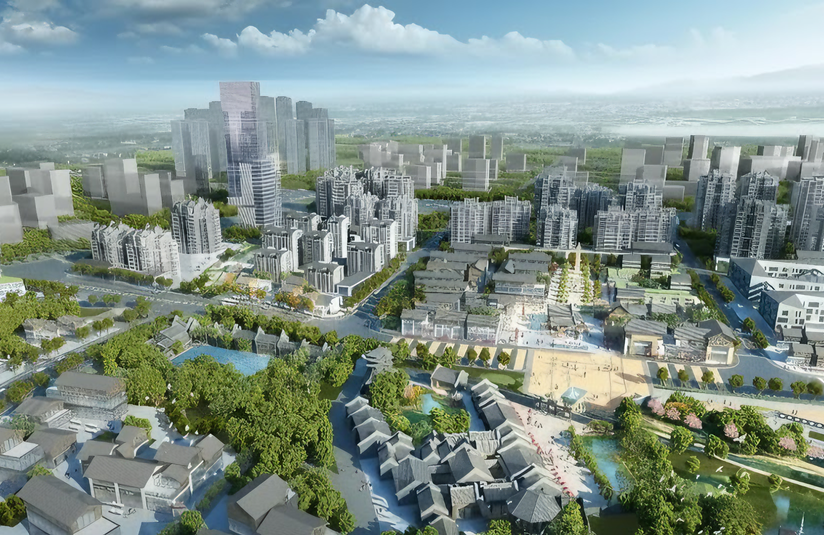
In the process of urban development 'shifting from incremental expansion to quality improvement of existing stock,' the renovation of old residential communities, updating of underground pipelines, and flood control facilities have become key focuses. The demand for waterproofing in underground engineering, tunnel waterproofing, and roof repairs will be released intensively, and waterproofing companies will obtain broad development opportunities in trillion-level livelihood projects.
Under the intensified "dual-carbon" targets, policies strongly promote green building materials and energy-saving renovation of existing buildings. Scenarios such as building-integrated photovoltaics (BIPV) and roof renovation have seen a surge in demand for waterproof materials that are durable, energy-saving, and environmentally friendly, bringing a golden period of development for eco-friendly waterproof materials.
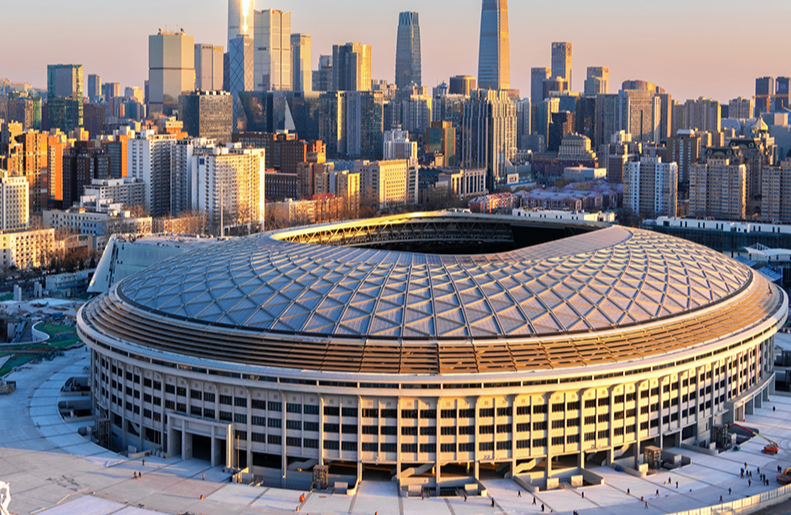
Trillions of funds are being injected into the urban fabric, and a veto vote sets a rigid bottom line—by 2026, the waterproofing industry is moving from 'invisible projects' to 'essential for people's livelihood.' Waterproofing professionals, standing at a historical turning point, will redefine 'concealed projects' with higher standards and protect every inch of the city's 'substance' with green innovation.
2025.10
2025.09
2025.09