

Whole-lifecycle building protection begins by defining the use scenario, the problem boundary and the long-term objective. Real projects involve substrate conditions, structural movement, environmental exposure, construction organization and future maintenance, not only the selection of a single material.
Early work should start with a site investigation. Leakage-prone areas, connections, existing materials and service conditions should be recorded through photographs, measurements and a traceable issue list. This helps establish priorities without overlooking moisture paths, causes of cracking or effects on adjacent areas.
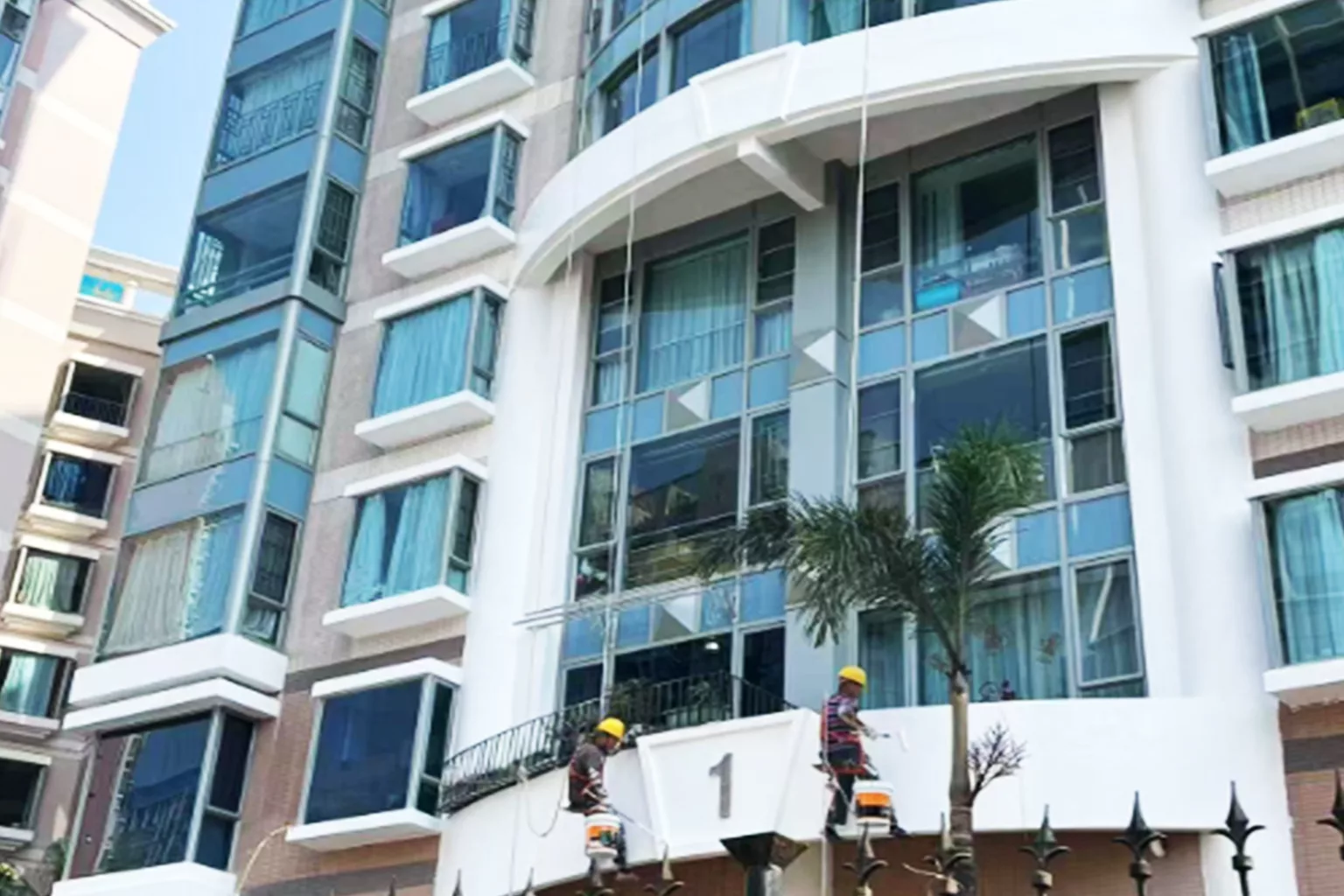
At the design stage, materials, construction details and installation methods must work together. Material performance should match the specific location, while details and sequencing should suit the substrate and reduce damage from overlapping trades.
During implementation, process control is more important than a single final inspection. Substrate preparation, interfaces, material mixing, environmental conditions and finished-work protection all require defined checkpoints and records.
Acceptance should evaluate more than appearance. Detail continuity, construction records, required test results and service requirements provide a fuller view of quality. Records for concealed work are especially important for later maintenance.
After the building enters service, environmental changes, structural movement and daily use continue to affect the protection system. Periodic inspection and graded response mechanisms help teams identify local issues early and direct maintenance resources where they are needed.
The objective is not to add more layers of material, but to organize diagnosis, design, construction, acceptance and maintenance around clear boundaries. Weldon continues to embed this approach in technical collaboration, quality reviews and project-delivery processes.